In today’s diverse educational landscape, personalized learning has emerged as a vital approach to meet the unique needs of each student. Among the tools that facilitate this tailored approach is iReady, an online diagnostic assessment that evaluates students’ proficiency in reading and mathematics. By leveraging its adaptive technology and detailed insights, iReady empowers educators to create customized learning experiences for their students. This article explores how iready diagnostic scores support personalized learning and enhance educational outcomes.
Understanding Personalized Learning
Personalized learning is an educational strategy that seeks to customize the learning experience based on individual student needs, interests, and abilities. This approach acknowledges that students learn at different paces and have varying levels of understanding. Personalized learning typically involves:
- Tailored Instruction: Adapting lessons to meet individual learning styles.
- Flexible Learning Paths: Allowing students to progress at their own pace.
- Ongoing Assessment: Continuously monitoring student progress to inform instruction.
iReady diagnostics are instrumental in realizing these elements of personalized learning.
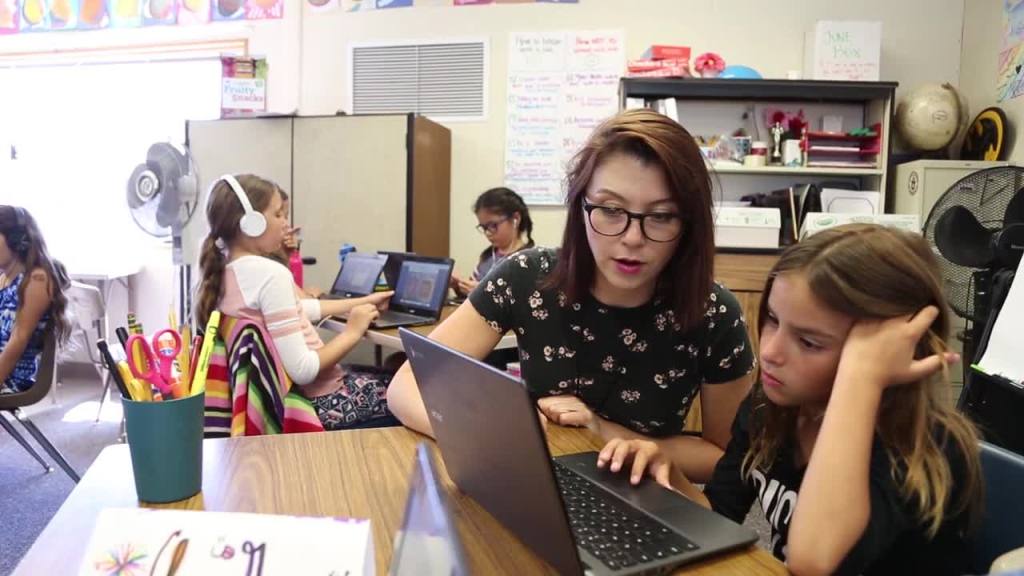
The Role of iReady Diagnostics
Adaptive Assessment
One of the standout features of iReady diagnostics is its adaptive assessment technology. When students take the iReady Diagnostic, the questions adjust in difficulty based on their responses. If a student answers correctly, the subsequent questions become more challenging; if they answer incorrectly, the questions become easier. This adaptive approach ensures that the assessment accurately measures a student’s knowledge and skills, allowing for a more precise understanding of their academic standing.
Comprehensive Skill Assessment
iReady evaluates a wide range of skills in both reading and mathematics. The assessment covers various domains, including phonics, comprehension, number sense, operations, and algebraic thinking. By providing a detailed breakdown of student performance, iReady diagnostics help educators identify specific areas of strength and weakness, informing instructional decisions.
Individualized Learning Paths
Once the diagnostic assessment is complete, iReady generates personalized learning pathways tailored to each student’s needs. These pathways include targeted lessons and practice exercises designed to address the specific skills where the student requires support. For instance, if a student struggles with multiplication but excels in addition, their personalized learning path will focus on improving multiplication skills while allowing them to continue practicing addition at a higher level.
Data-Driven Instruction
Informed Decision-Making
The data generated by iReady diagnostics provides educators with valuable insights into student performance. Teachers can analyze both individual and group data to identify trends, monitor progress, and make informed instructional decisions. This data-driven approach allows educators to adjust their teaching strategies, ensuring that instruction is aligned with student needs.
Targeted Interventions
Using iReady diagnostics, educators can implement targeted interventions for students who require additional support. For example, if a student scores low in a specific reading category, the teacher can provide focused instruction and resources aimed at that area. This targeted approach not only helps struggling students catch up but also fosters a sense of achievement and motivation.
Continuous Monitoring
iReady diagnostics are typically administered three times a year—at the beginning, middle, and end of the school year. This continuous monitoring allows educators to track student growth over time. By comparing diagnostic scores, teachers can evaluate the effectiveness of their instructional strategies and adjust them as necessary. This ongoing assessment is essential for fostering a culture of continuous improvement and growth.
Enhancing Student Engagement
Student Ownership of Learning
One of the key components of personalized learning is student ownership. iReady diagnostics empower students to take charge of their learning by providing them with clear insights into their strengths and areas for improvement. When students see their progress and understand their learning pathways, they are more likely to engage actively in their education.
Interactive Learning Environment
The iReady platform includes interactive lessons and practice exercises that make learning enjoyable. By incorporating engaging content, such as games and challenges, iReady captures students’ attention and motivates them to complete their assignments. This interactive approach fosters a positive attitude toward learning, encouraging students to embrace challenges.
Supporting Teachers and Parents
Collaboration and Communication
iReady diagnostics facilitate collaboration between teachers and parents. Schools often share diagnostic results with families, providing insights into their child’s academic performance. This transparency fosters a partnership between home and school, empowering parents to support their child’s learning journey effectively.
Professional Development for Educators
To maximize the benefits of iReady diagnostics, educators receive professional development and training on how to interpret the data and implement personalized learning strategies. This ongoing support equips teachers with the skills needed to use iReady effectively, ensuring that all students receive the individualized attention they require.
Conclusion
iReady diagnostics play a pivotal role in supporting personalized learning by providing adaptive assessments, detailed insights, and individualized learning pathways. By leveraging data-driven instruction, continuous monitoring, and engaging content, iReady empowers educators to meet the unique needs of each student. As personalized learning continues to gain traction in education, tools like iReady will remain integral in fostering a culture of growth, engagement, and academic success. By embracing this innovative approach, schools can ensure that every student has the opportunity to thrive in their educational journey.
 iReady Diagnostic Scores By Grade 2025